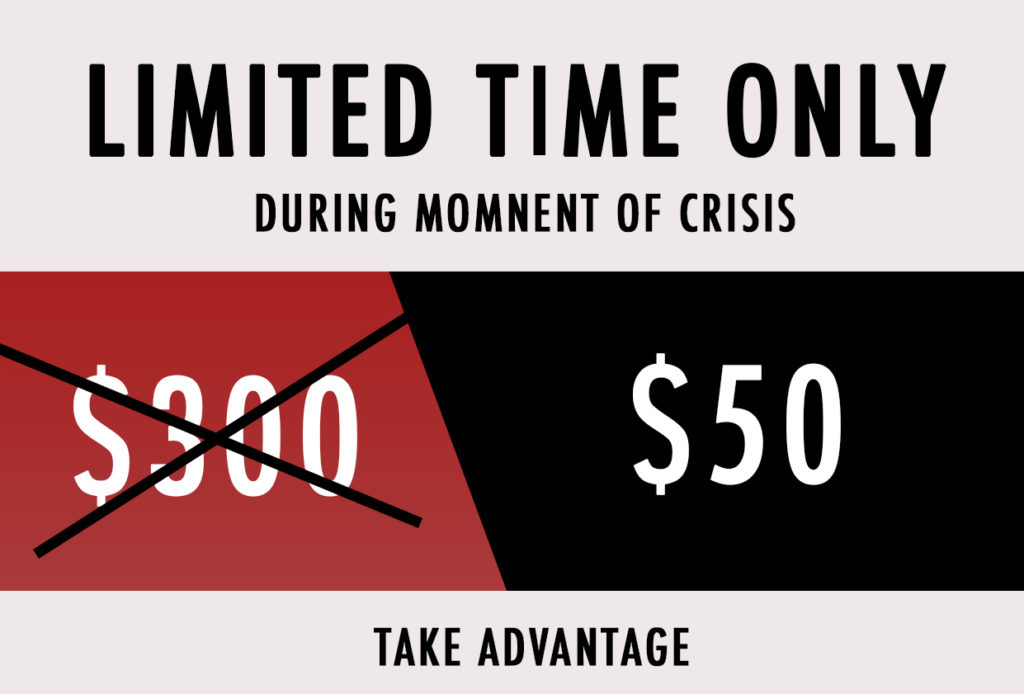
Perfect Time To Help If You’re A Credit Repair
1. You can do it yourself.
Many people think they have to hire a professional credit repair company to help repair their credit. While a reputable credit repair company may be an option for some people, there's nothing a credit repair company can do for you that you can't do for yourself. There's plenty of information available in books and on the internet that you can use to educate yourself on how credit works and what you can do to repair your own credit.
Removing negative information, for example, can be done with techniques like credit report disputes, debt validation, pay for delete, and goodwill letters. Many of these are the same strategies credit repair companies use to get negative information removed from your credit report. Doing it yourself not only saves you money but also gives you power and control over your own credit history. Once you know the credit repair tactics, you can use them anytime in the future if it becomes necessary.
2. Credit repair is about your credit report, not your credit score.
When you're repairing your credit, you may watch for your credit score to go up. But credit repair is about improving the information on your credit report. This is what ultimately influences whether you have good credit or bad credit and is the basis of your credit score.
Checking your credit report is the first thing you should do when you're ready to start working on your credit so you can see the information that's hurting your credit. You can get a free copy of your credit report once a year from each of the major credit bureaus — Equifax, Experian, and TransUnion — by visiting www.annualcreditreport.com.
3. Your credit score helps you see where your credit stands.
Whether you have good or bad credit is based on the information in your credit report. However, it's difficult to look at your credit report and tell whether your credit is good or bad. That's why watching your credit score is useful in credit repair. A low credit score indicates a poor credit history that needs work. As your credit score improves, it's an indication that your credit history is improving.
Your credit score is based on five categories of information: payment history, amount of debt, the age of credit history, types of credit accounts, and recent applications for credit. Improving your credit in each of these areas will boost your credit score.
Purchasing your credit score each time you want to see where you stand can get expensive. Using a free credit score service like Credit Karma or Credit Sesame will allow you to monitor your credit progress at no cost. When you're signing up for a credit monitoring service, look for one that doesn't ask for a credit card. Otherwise, there's a chance you may be actually signing up for a free trial subscription that will begin charging you each month if you don't cancel the services.